According to a Harris Poll survey conducted for 'Fast Company', the need to alleviate hunger has led to an increase in acts of charity. The same thing was noted by "Charity Navigator" in March-October: Donations to "Feeding America" â??â??increased by 1.980% and those to the organization "Doctors Without Borders" increased by 131%.
The global nature of the pandemic has prompted some donors to think beyond their families, and make cash transfers as a way to make life easier for people around the world.
This year has brought increased support from governments, in the form of a basic universal income (UBI). The Spanish government has distributed payments of up to 1,015 euros to the country's poorest families, while Germany launched a new experiment with basic incomes in August.
As Stanford University psychologist Jamil Zaki points out, there are two basic stories that people like to tell about how human beings behave in times of crisis.
According to one story, individuals panic, break social norms, and behave with extreme selfishness. The other story is the opposite: people are very generous after the disaster.
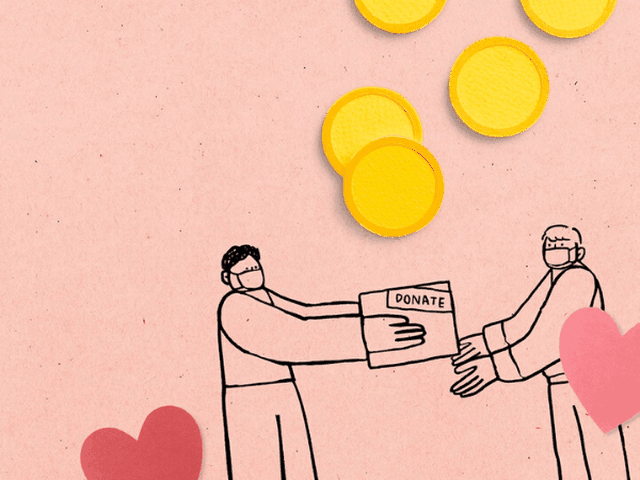
They donate money, become volunteers, try to help their neighbors. We see more altruism and pro-social behavior during a crisis than in normal times.
Narrativa e parë shihet shpesh e pasqyruar nga mediat. Për shembull, pas Uraganit Katrina, “The New York Times” e përshkroi Nju Orlinsin si një “gropë me gjarpërinj ku dominon anarkia, vdekja, plaçkitjet, përdhunimet, bandate grabitësve”.
Dhe pjesërisht për shkak të portretizimeve mediatike, kjo sjellje e paligjshme është ajo që shumë njerëz kanë pritur edhe presin në kohë krizash. Në një studim, njerëzit ranë në përgjithësi dakord me thëniet si -“Kur ka një krizë, anëtarët e turmës veprojnë në mënyrë egoiste”,dhe “kur ka një emergjencë, prishet rendi shoqëror”.
Por kur shikon rekordin historik, ai mbështet më shumë narrativën e dytë. “Dhembshuria ndaj katastrofës është e përhapur dhe e qëndrueshme. Ajo ndodh pas tërmeteve, luftës, sulmeve terroriste, uraganeve dhe cunamit, dhe tani në një pandemi”-shkruan Zaki.
For example, as Covid-19 spread rapidly, volunteers around the world began creating Google Docs Mutual Aid. In those files, they recorded their contact information and offered to deliver food or medicine to their vulnerable neighbors.
However, people generally tend to still believe in the most pessimistic history of human nature. But Athena Aktipis, a psychologist at Arizona State University, is convinced that times of crisis can bring out the best in us humans, as long as we do not worry that others will benefit from our willingness to cooperate.