Art is one of the most powerful forms of human expression, a mirror of the creativity, talent, and vision that has accompanied civilization in every era. Works of art reflect not only the skill and sensitivity of individuals, but also the spirit of the cultures in which they are born. They offer beauty, inspiration, intellectual challenge, and a unique perspective on the world. Like the ability to read and write, art is a trait that distinguishes us from all other species, making its legacy a sacred treasure for humanity.
Works of art are a reflection of the artist's vision, allowing us to get to know their individuality and creative process up close. Like a lens, art allows us to see deep into the heart of a culture and makes each work invaluable.
Questions that art pushes us to ask:
1. What do cave paintings tell us about prehistoric life?
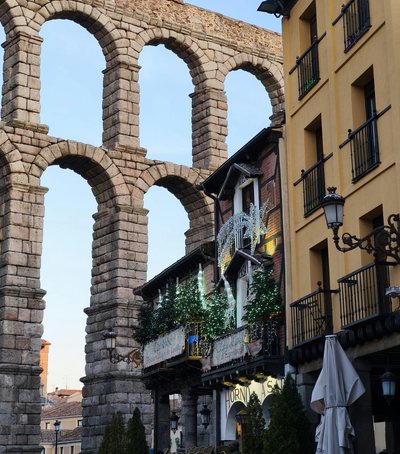
2. What does a great pyramid reveal about ancient Egypt?
3. How do the sculptures of classical Greece tell us about the ideals of the 5th century BC?
4. Why does the classical tradition continue to influence art to this day?
5. Why do some cultures create portraits, landscapes, and still lifes, while others do not?
6. How is art used to strengthen the power of rulers?
Introduction to Art
A beginner's guide can only outline a few of the many ways to approach art and the meaning it holds for ourselves, our history, and our culture. Creating art, like scientific inventions, requires independent thought and vision beyond the ordinary. Artists often sense and reflect truths before the wider society accepts them.
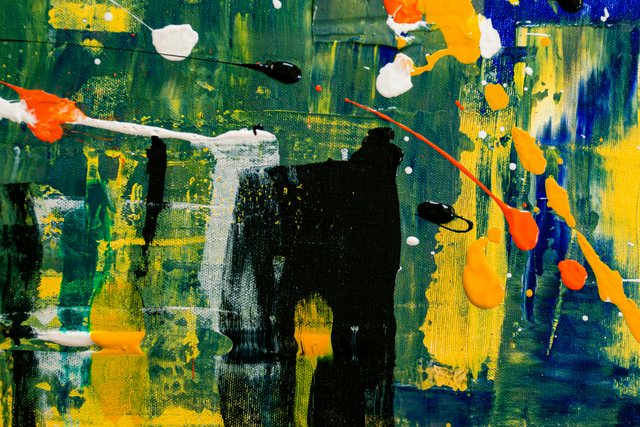
An example of this are the German artists of the early 20th century, who in their works warned of the tragedies of the World Wars before they happened. This sensitivity has often led to debate and opposition – from aesthetic disapproval to vandalism. The popular expression “Even my six-year-old grandson can paint that” often shows the public’s lack of understanding of new trends, especially abstraction. The opposition can be artistic, political or even irrational.
Art as language
Visual arts function as a special language, connecting generations and intertwining the past with the present. Understanding this language requires analysis at different levels:
1. Formal approach – examining line, form, space, color, light, and shadow to assess aesthetic impact.
2. Style – the features that distinguish one work from another.
3. Narrative content – the meaning that emerges from the historical and cultural context.
4. Internal symbolism – the message the artist intends to convey.
Even material can be part of the meaning. In the ancient world, stone expressed power and durability, so it was often used for royal figures. In contemporary art, Christo and Jeanne-Claude's temporary installations use recycled materials, restoring natural spaces to their original state.
Art in history
All great civilizations have left behind an art history in which form and content evolve over time. Intercultural contact – through travel, trade, or diplomacy – has strongly influenced the development of Western art.
Attempts to define art, from Plato to the present day, have been influenced by the tastes, prejudices, and cultural context of the time. However, perhaps we can all agree on one thing: every work of art is an attempt to express something. Even when we don't like it, it remains a way to better understand ourselves and our history.
Photo by Steve Johnson:
https://www.pexels.com/photo/close-up-photo-of-abstract-painting-2989089/