
The Bank of Albania, which has initiated a new bill in the area of low value payments, explains that the new legal package increases the access of the population to banking services and reduces the costs of these services. One of the benefits will be the online payment for goods and services even if you do not have a bank card.
The bank explains that a new concept created by the bill is the account service institution, which represents the concept known as "open bank". This implies that banks, which traditionally hold customer accounts, will have the obligation to inform institutions that offer the two innovative services (payment initiation and account information on availability of funds or account status) in order to finalize their performance. of new payments promoted and regulated by the bill, aim to facilitate the general public's access to electronic payment services, both in terms of costs and ease of use.
Institutions that facilitate payments
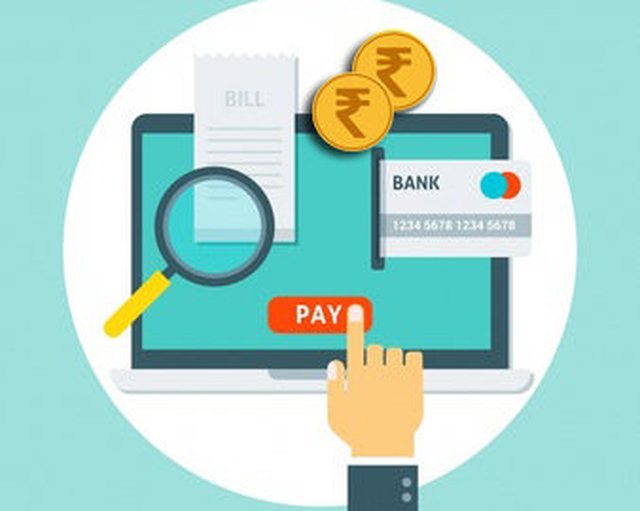
Payment initiation service providers usually help consumers make online payments and immediately inform the merchant of the initiation of payment, thereby facilitating e-commerce. These establishments also enable online purchases by customers who do not own a debit or credit card but have a bank account accessible online. At the same time, this type of service offers an alternative for the merchant to accept electronic payments, thereby promoting market competition, not only through actors but also through various instruments.
Account information
Account information services enable consumers and businesses to have an overview of their financial situation, for example, by allowing customers to consolidate the various current accounts they may have with one or more banks and to categorize their expenses. them according to different typologies (food, energy, rent, leisure, etc.), thus helping them in budgeting and financial planning. In many cases, these types of services also help identify
Account service
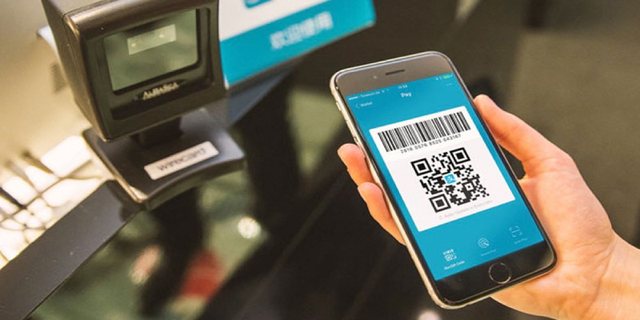
Issuance of a payment instrument is one of the payment services within the scope of the directive. Any payment service provider, bank or payment institution, can issue payment instruments. The bill in order to promote the mobility of payment instruments, regardless of the institution where the client has an account, creates the concept of "Account service institution". Account service institutions allow payment service providers (banks, electronic money institutions, and payment institutions), which do not manage the payment service user account, to be able to issue card payment instruments and execute payment services. payments made by them to the user. In more detail, the payment service provider through these services may, with the consent of the user, be informed of the status of the account at another institution and thereby enable payment execution by avoiding credit between the parties.
It is worth noting that payment instruments cover not only payment cards, such as debit cards and credit cards, but any personalized devices or as a rule agreed between the issuer and the user used to initiate a payment.
Source: Monitor