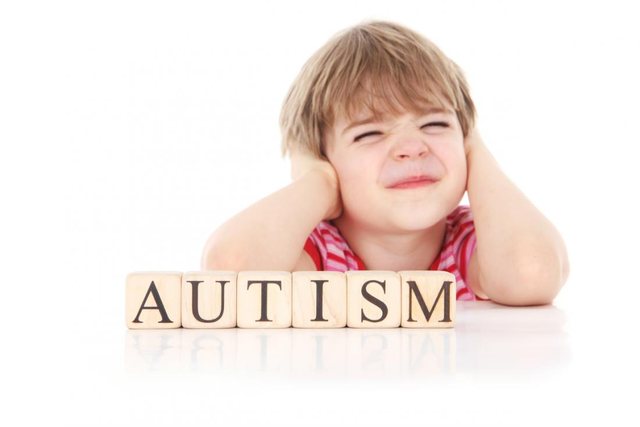
Children with autism think, speak and behave differently from their peers. They can often look completely immersed in themselves and may seem more interested in finger movement than playing or interacting with other people. This is because the classic symptoms of autism are marked by deficits in verbal communication skills. Something simple, such as discovering what they want for lunch or knowing if they are happy or sad, can be extremely difficult.
Sometimes the signs that a child has this disorder may be noticeable, but other times special attention should be paid to small details. Despite the difficulties, there are tips that can help you create conversations with autistic children. These recommendations will help you communicate or strengthen the bond with your children.
1. Before they turn 12 months old.
You can see the symptoms of autism around the 6th or 12th month of your baby's life. It usually happens when parents, or those who interact with the child, notice that the little one does not achieve the typical achievements during the first year. Some of the signs are:
a. They do not pay attention to new faces.
b. They do not respond to noise.
c. They do not capture or hold objects.
ç. They do not respond to a parent's smile.
d. They are not trying to attract attention through actions.
f. They have no interest in participating in interactive games with people.
2. They do not seem to be able to show empathy.
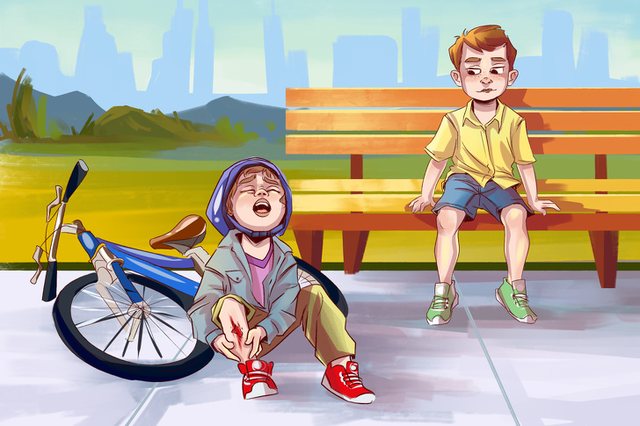
It can be difficult for children with autism to show empathy and sympathy, or to understand another personâ??s perspective in the usual way. Because of this, they may seem indifferent and unfriendly. They donâ??t know how to react to a difficult situation, they may laugh when someone is hurt, or respond with little or no emotion to someone elseâ??s pain or joy.
3. Do not show interest in their loved ones.
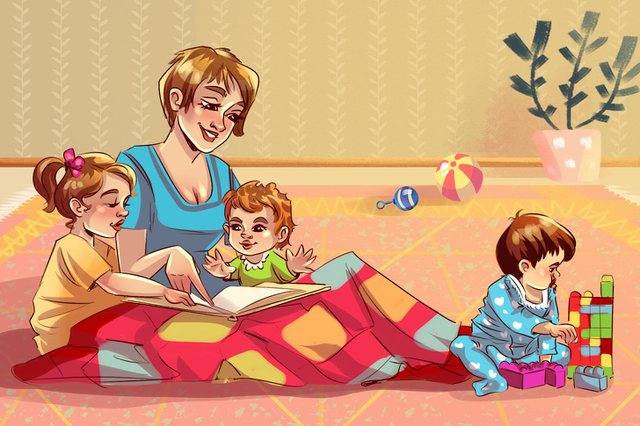
Children with autism may show no interest in making emotional connections with their parents, siblings, siblings, or other children of the same age. They tend to avoid eye-to-eye contact and stay alone, so they are emotionally disconnected from the world. However, this does not mean that they do not have feelings, but on the contrary, it means that they do not know how to express them.
4. You have a hard time identifying their emotions.

Because of the different levels of autism that exist, some children with the disorder may show feelings similarly to children their age (for example, if they feel pain, they may cry). However, they often find it difficult to express their feelings. It may also seem that they are not emotionally responsible, or that their responses are somewhat exaggerated. For example, they may become angry and upset about small things.
5. Maintaining repetitive routines.
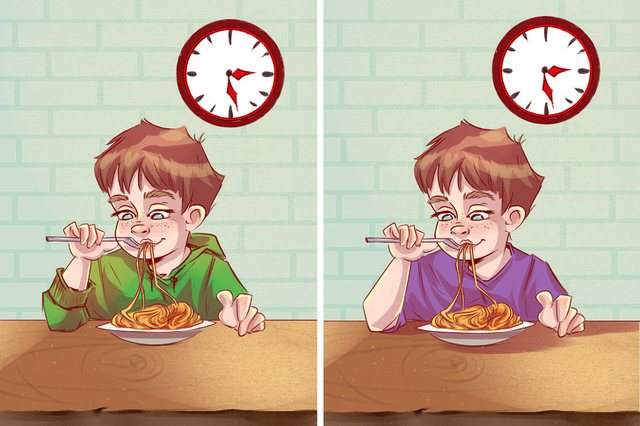
They develop limited and repetitive patterns of behavior when doing activities that interest them. Usually, the things that attract them require their full attention and children can go through long periods of time focusing or repeating the same word. They like to maintain a daily routine so they know what will happen every day. For example, they always want to go to school the same way or eat exactly the same food for dinner.
6. They may have sensory problems.
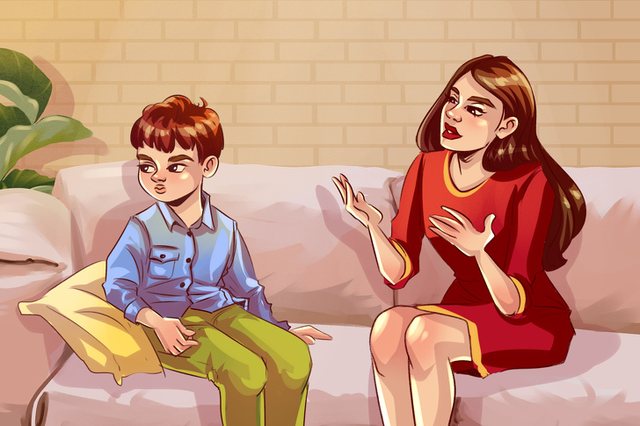
In some cases, children with autism may react too much or ignore sensory stimuli. Sometimes they can ignore people who talk to them, even to the point of looking dull. However, in other cases they may be disturbed by noise, even by the softest sounds. Unexpected noises, such as the sound of the phone, can cause discomfort, to which they will respond by covering their ears and making repeated noises to â??chokeâ?? the sound. Children tend to be very sensitive to touch (they donâ??t want to be touched).
7. They can react a lot (out of the ordinary).
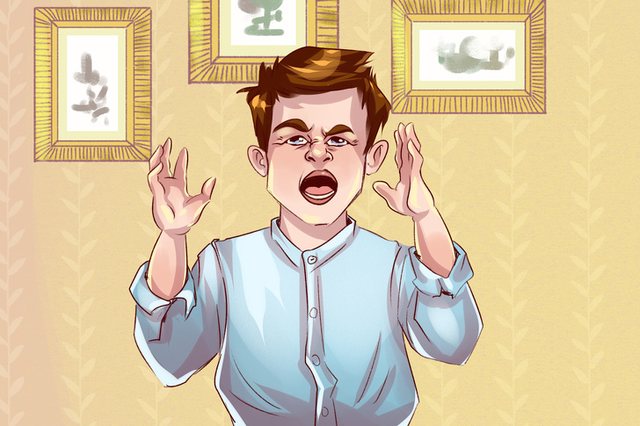
They may have difficulty adjusting their emotions and acting disproportionately in a situation that seems normal. For example, they may start screaming, crying, or laughing hysterically for no apparent reason. When stressed, they can exhibit aggressive behavior (breaking things, hitting others, or hurting themselves). Moreover, they may not realize it when they are in a dangerous situation, but at the same time, they are afraid of harmless objects.
8. They have difficulty speaking and understanding the language.

Children begin to speak or imitate the sounds of people they interact with when they are one and a half years old. In the case of children with autism, language skills develop much later. They may speak in an abnormal tone of voice, at a strange pace, or repeat words and phrases over and over again, without intending to say anything specific. They find it very difficult to start or maintain a conversation. They do not understand some simple sentences or questions. They do not have the ability to understand humor, irony and sarcasm.
9. Repetitive behavior
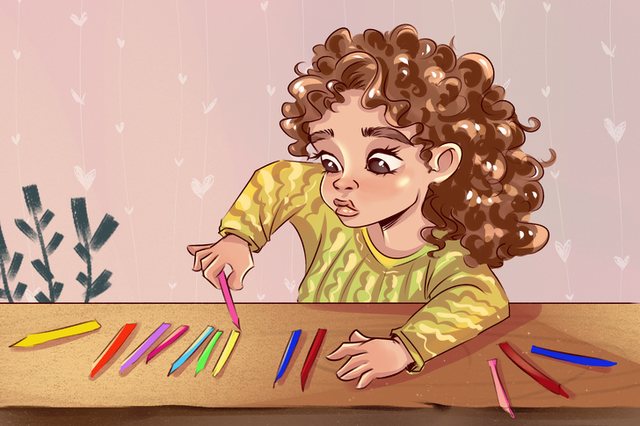
Children with autism are often rigid and even obsessive about their behaviors, activities, and interests. They can perform repetitive body movements, such as constant hand movements, swinging forward and backward. They become fixed with objects like keys and use them as toys. They tend to be very interested in specific subjects that usually include numbers or symbols (maps or sports statistics). They have to keep everything in a special order, for example, they arrange the toys in a special way and do not tolerate anyone who changes it. They can move strangely.
10. Prefer nonverbal communication.
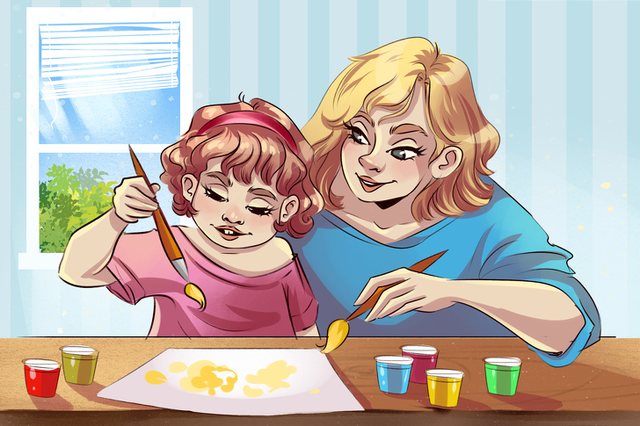
Because children with autism are slow to develop language and, even after achieving this, have trouble expressing themselves, they prefer to use nonverbal communication. They can use both physical and visual means, such as drawings or gestures, to show something.
11. Have difficulty recognizing facial expressions.
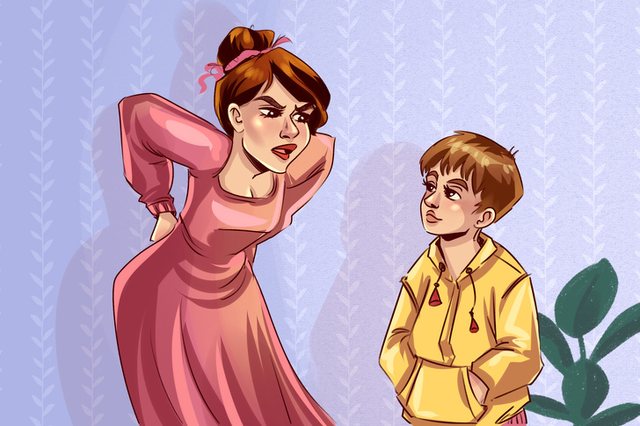
They may have difficulty recognizing facial expressions (for example, they do not realize that their mother is upset with them). They do not know if the person speaking is doing so in a happy, sad, or upset tone. They find it difficult to distinguish between the real and the imaginary, as they are very imaginative and often live in their own small world.