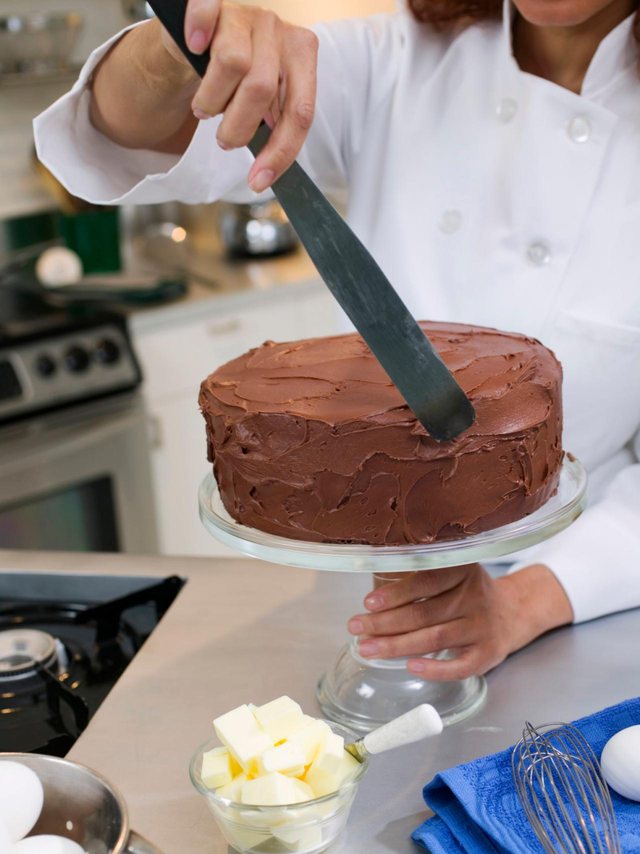
Baking and preparing cakes is always a process as beautiful as it is complicated. There are probably many times when your favorite recipe, even though you followed the instructions step by step, doesn't turn out right. Especially with sweets, little tricks and tricks are very valuable for balancing them properly.
Below, find some tips and tricks on how to avoid the most common problems in baking cakes.
When the cake batter is too stiff
If the cake or cake is stronger than it should be, then the problem lies in the dough processing. More precisely, mixing the ingredients with each other and beating the butter or eggs. The butter should always be stirred well at the beginning of the preparation of the recipe. This will give your cake a cottony softness. To best achieve this, make sure the butter is slightly soft before whipping.
Why don't your cakes puff up?
If at the end of the recipe the cake deflates and looks like a thin noodle, then you probably made one of the following mistakes.
When you overmix the flour, you will also damage the proteins in it, such as gluten. This causes the other ingredients to not work properly with the flour giving you a sticky dough. Be sure to always add as much puff pastry yeast as the recipe directs.
Add the eggs and other liquids contained in the recipe, taking care to mix them well without allowing them to thicken too much. Because a very thick dough is heavy and as a result you will have a very thin sponge cake.
Another important step is to preheat the oven before baking the cake batter. Be sure to put the dough in the oven as soon as possible after preparing it.
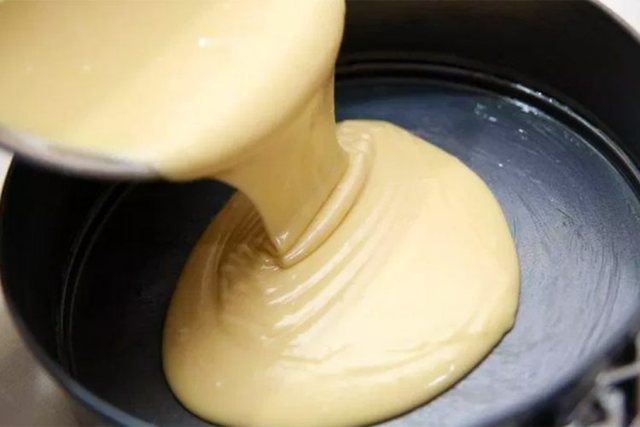
Why the cake has created cracks on the surface
If you use too much cake yeast, you can end up with a misshapen cake. When you throw more yeast than recommended, its effect will be much greater. This will make the cake puffy and crack all over its surface. To avoid this, make sure that the measurements in the recipe are always the correct measurements.
It is important that your cake stays in the shape provided in the recipe, otherwise, the baking will be bad.
If the cake splits, this will cause it to overbake in some areas and leave it underbaked in other areas. Also, all the dough will be dry and hard.
Why does your cake always deflate in the middle?
If the cake always deflates in the middle, creating a hole, it means that you are impatient. To avoid deflation, never open the oven while the cake is baking. This, as the hot temperature of the oven swells and increases the volume of the dough.
When the oven door is opened, this temperature drops, deflating the cake as well.
You can check if it is done only in the last 10 minutes of baking and balance the preparation time.
When your cake is too dry
If you have overbaked the cake or cupcake you are preparing, you have only a few options to fix it.
You can choose to sprinkle the cake with some syrup or a little sherbet to soften it a bit.
Another way is to cut the cake into two large pieces horizontally and fill the two pieces with cream.
Then you can put them together as in the process of making a cake.
Add fruit or serve with another side dish like ice cream.
When the cake is not baked inside
Large cakes, mainly composed of fruits or carrots, tend to bake on the outside, but not on the inside.
Usually, the recipe gives the exact baking method and temperature, so follow it carefully.
Always before taking the cake or cake out of the oven, check if it is cooked using a toothpick or a thin knife.
Place the stick in the center of the cake and if it comes out easily without the smell of dough, the cake is ready./AW/