Argentina managed to triumph at the '2022 World Cup' on Sunday with its thrilling victory over France. With teams and fans now returning to their respective countries, eyes will leave the small nation in the Persian Gulf. So what will happen to the stadiums for which Qatar spent billions and rushed to build them in time for the 'World Cup'?
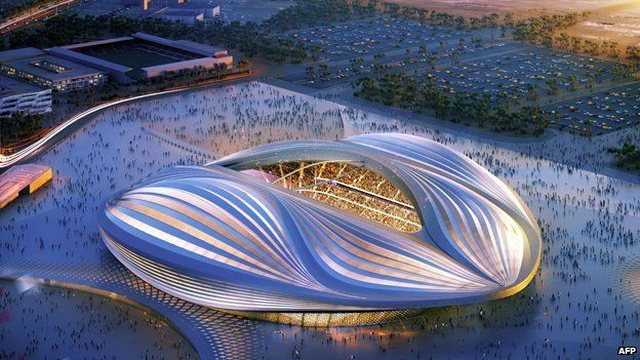
This question is asked after every major sporting event worldwide, and for good reason. Sometimes - as after the 2016 Olympic Games in Rio de Janeiro - stadiums are completely abandoned. For a country like Qatar, which is roughly the size of Connecticut, it is difficult to see much use from the eight stadiums set up in and around Doha. After the country spent about $6.5 billion building stadiums - and an indicted number of migrant workers lost their lives - it could be disappointing.
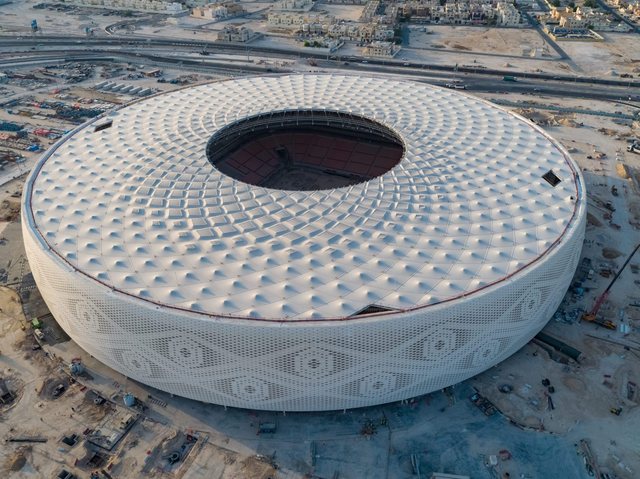
Qatar, however, has other plans. He will host the '2023 Asian Football Cup', which moved there from China due to COVID-19. Qatar will also hold the Asian Games, an event similar to the 'Olympic Games', in 2030. They will give stadiums second and third lives, although venues will have reduced capacity and be modified. Qatar is also preparing an offer to host the 2036 Olympic Games.
The domestic football league in Catalonia will start playing matches in stadiums built for the World Cup, although they cannot attract as many fans as they were viewed at the event. The Education City Stadium will serve students and teachers from local universities and schools.
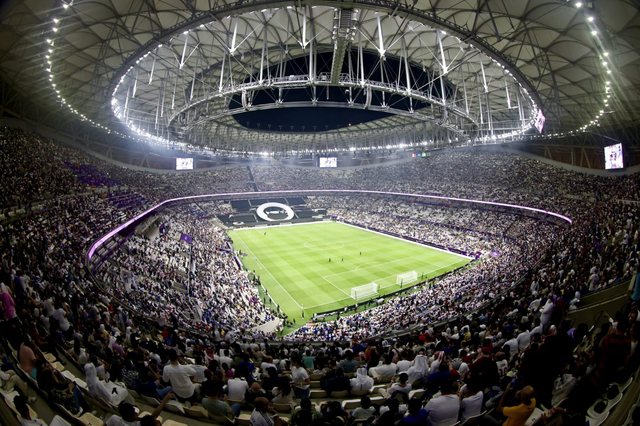
Some, however, will be fully converted to other environments, according to Time. The 'Al Bayat' stadium will be converted into a five-star hotel, shopping centre, sports medicine hospital, etc. Al Thumama Stadium will continue to host sports events, but will have a hotel, a sports clinic, etc.
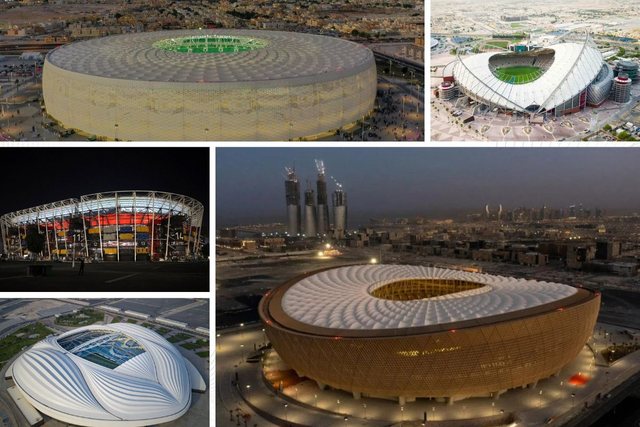
The 'Lusail' Stadium, where 10 'World Cup' matches were organised, including a semifinal and final, will return to a mixed residential and commercial centre. The 974 stadium will also disappear completely. That stadium was built by 974 recycled shipping containers in one of the most unique and environmentally friendly places in the world. Containers, according to the report, will be sent elsewhere and his country will take over a water business area.
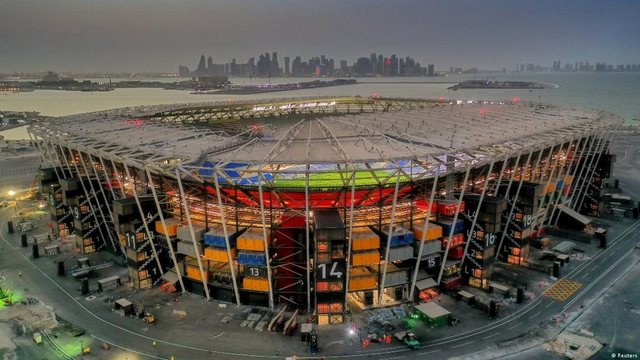
Only the Khalifa International Stadium will remain in its current form.
Although Qatar may need many other countries in the following years and decades, depending on the major events that occur in the country, it will not let these World Cup stadiums stand empty until that day comes. At least that's the plan.