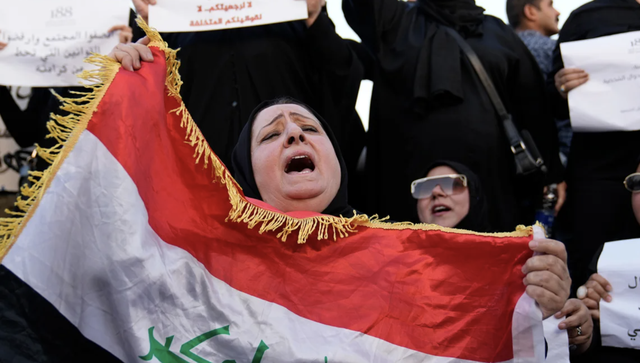
Iraq's parliament passed three divisive laws on Tuesday, including changes to the country's personal status law that critics say would legalize child marriage.
The changes give Islamic courts increased authority over family matters, including marriage, divorce and inheritance. Activists argue that this undermines Iraq's 1959 Personal Status Law, which unified family law and established protective measures for women.
Supporters of the changes, which were backed by largely conservative Shiite lawmakers, defend them as a means to harmonize the law with Islamic principles and reduce Western influence on Iraqi culture.
Iraqi law currently sets 18 as the minimum age of marriage in most cases, but the changes approved on Tuesday will allow clerics to decide according to their own interpretation of Islamic law.
Some of these interpretations allow the marriage of girls in their early teens, or at the age of nine, according to the Ja'afari school of Islamic law followed by many Shiite religious authorities in Iraq.
But Intisar al-Mayali, a human rights activist and a member of the Iraqi Women's League, said that the adoption of the amendments to the civil status law "will have disastrous effects on the rights of women and girls through the marriage of girls at an early age."
"This violates their right to live as children and will undermine women's protection mechanisms for divorce, custody and inheritance," the activist stated.