
Microplastic particles were discovered in the placentas of unborn babies for the first time, which the researchers said was a major concern.
The health impact of microplastics on the body is still unknown. But scientists said they could carry chemicals that could cause long-term damage or disrupt the developing fetus' immune system. The particles are likely to have been consumed or taken during maternal respiration.
The particles were found in the placenta of four healthy women who had normal pregnancies and births.
Only about 4% of each placenta was analyzed, however, a high number of microplastics were verified. All particles analyzed were plastic in blue, red, orange or pink and may have originally come from packaging, paints or cosmetics and personal care products.
The microplastics were mostly 0.01mm in size, which means they are so small that they can be carried in the bloodstream. The particles may have entered the babies' bodies, but the researchers were unable to estimate this.
In the study, published in the journal Environment International, the researchers concluded: “Because of the crucial role of the placenta in fetal development and in acting as an interface to the external environment, the presence of potentially harmful plastic particles is a major concern. "Further studies should be performed to assess whether the presence of microplastics may elicit an immune response or lead to the release of toxic contaminants, resulting in harm."
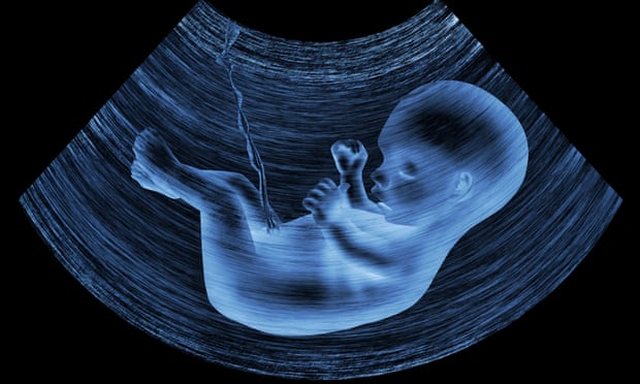
Their effect on the body is unknown, but scientists say there is an urgent need to assess the issue, especially for infants. In October, scientists discovered that formula-fed babies in plastic bottles were swallowing millions of particles a day.