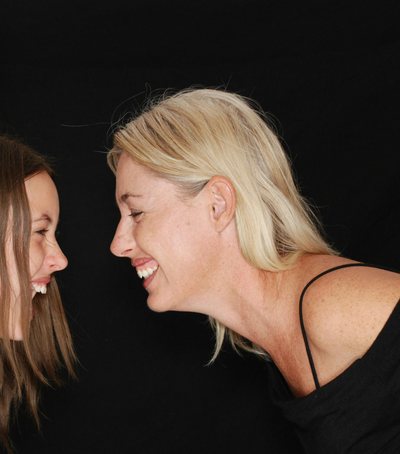
No one can give love if they don't know how to give it to themselves. This is the first law of emotional balance, a truth that we often forget in our efforts to please others. Self-love is not selfishness, but inner care, the healthiest way to build honest and lasting relationships. Loving yourself does not mean putting yourself above others. Self-love is not narcissism, but knowledge of boundaries, respect for yourself and full acceptance of the light and darkness that we carry. A person who loves themselves does not seek constant approval, is not afraid of loneliness and does not measure their value in the eyes of others. They know how to say “yes” with their heart and “no” without guilt. This is mature love: calm, humble and healthy.
Without self-love, the relationship becomes an addiction.
People often look to others for what they don't find within themselves: security, approval, warmth. But this behavior creates emotional dependency, a kind of love that lives in fear of loss. The moment we learn to take care of ourselves, to rest when we are tired, to ask for help without shame, to forgive ourselves for mistakes, we heal the most important relationship of our lives: the one with ourselves. Only then does the love we give become free, not necessary; sincere, not scary.
Healing begins from within.
Self-love is not born all at once, but is built every day with small gestures of understanding: not judging yourself for every failure, taking care of your body, speaking kindly to yourself, being grateful for who you are. When we accept our wounds and learn not to hide from them, we begin the process of inner healing. This process does not make us perfect, but real. And only real people know how to build relationships that last.
Self-love is the foundation of every healthy relationship.
In any relationship, whether love, friendship, or family, we can only give more than we have within ourselves. When we are emotionally unstable, we look for the other to fill our voids. But when we are at peace with ourselves, connection becomes a choice, not a necessity.
In this way, love is no longer a search for salvation, but a union between two complete people.
Loving yourself is the highest form of personal responsibility. Because those who love themselves do not harm, do not demand, do not control – they simply love freely. And only then does love become what it should be: not a support to survive, but a space to flourish.
Photo by Matthias Cooper: https://www.pexels.com/photo/woman-in-green-shirt-smiling-1062280/