When nature becomes an architect
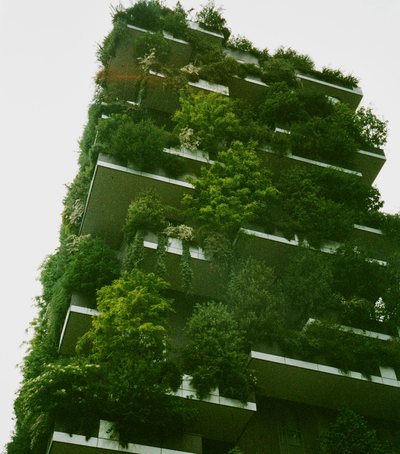
In an era where buildings are responsible for a large portion of global pollution, architecture is turning to nature itself for inspiration. The concept of living materials – building with fungi, algae and microorganisms – is opening a new chapter in how we understand the space we live in. These structures are no longer rigid and passive, but organisms that breathe, adapt, and sometimes “heal” themselves.
Fungi that replace concrete
One of the biggest innovations in this field is the use of mycelium – the underground network of fungi – as a building material. It grows naturally, is lightweight, durable and completely biodegradable. Once formed into molds, the mycelium dries and becomes strong enough to be used for walls, insulation panels or furniture. Unlike concrete, it does not emit carbon – on the contrary, it absorbs it during the growth process.
Algae that produce energy and oxygen
Living architecture is also experimenting with microscopic algae, which can be grown on panels integrated into building facades. These panels produce energy through photosynthesis and help clean the air, creating a sustainable cycle between the building and the environment. Some researchers predict that in the future, buildings will be able to “feed” themselves – producing oxygen, energy and even food for their inhabitants.
Microorganisms that self-heal structures
Another revolutionary step is the use of bioactive bacteria that can “heal” cracks in concrete. These microbes, when exposed to water, produce lime and seal the cracks, extending the life of the building without human intervention. This technology is known as “self-healing concrete” and is an example of how the architecture of the future will coexist with biology.
Architecture that grows, breathes and changes
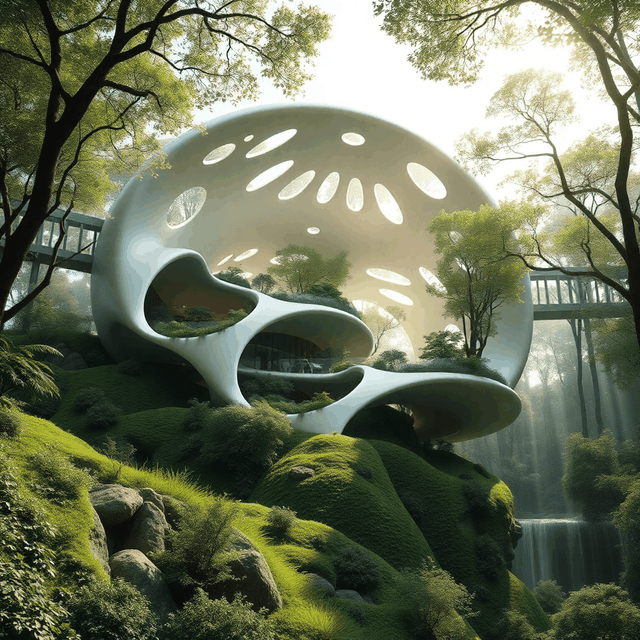
Houses built with living materials are no longer static objects, but dynamic organisms that adapt to climate, light and humidity. They can change color, shape or transparency, depending on environmental conditions. Instead of challenging nature, these structures cooperate with it – creating a sustainable ecosystem between man and planet.
The future that grows itself
In the end, the idea of ??a “breathing” house is no longer a futuristic fantasy. It is evidence of a new era where architecture is not built just for people, but with nature. An era where walls do not divide, but protect; where materials do not age, but evolve. And where construction is not an act of destruction, but an act of co-creation with life itself.