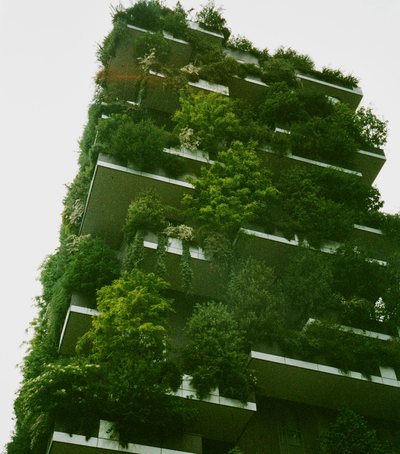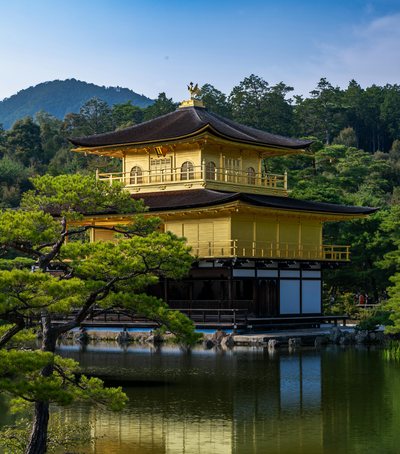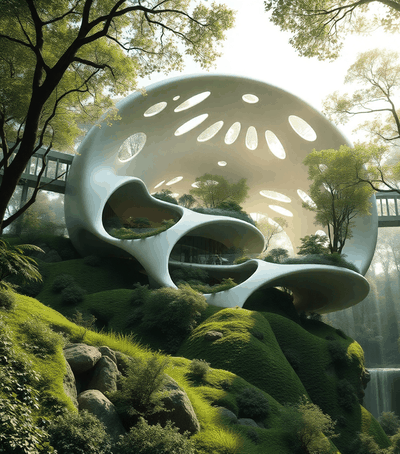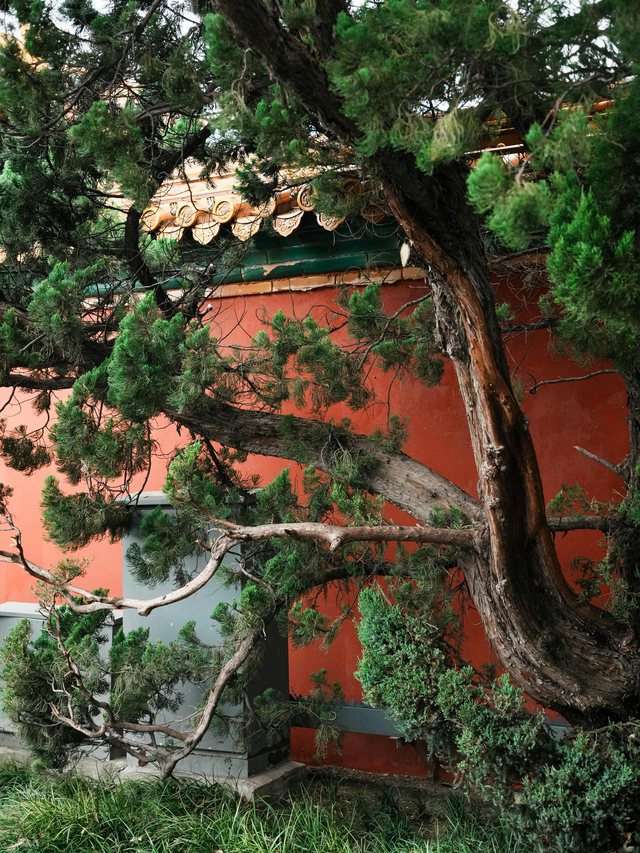
In contemporary architecture and design, an idea as old as man himself is making a comeback: living in direct connection with nature. This philosophy, known as biophilic design, is becoming one of the most important trends of our time. Its goal is to create spaces that are not just for use, but to be experienced with feelings, light, and breath.
In this approach, the house is not seen as a boundary, but as an extension of nature. Large openings that allow natural light to enter, raw materials such as wood, stone, clay or linen, indoor plants and organic textures are all part of the same narrative: a return to simplicity and a connection with the environment.
Biophilic design seeks to merge the interior with the exterior, creating the feeling that the home and nature are one. A window that opens to the garden, a terrace planted with greenery, a bare wall with natural texture, all of these are ways to turn the environment into a living, breathing space.
This style is not just about aesthetics, but about well-being. Natural light, air circulation, and the presence of organic elements directly affect mood, concentration, and calm. Homes built with this philosophy are warmer, healthier, and more environmentally sustainable.
In an increasingly urban and technological world, this way of living is a necessary comeback. It reminds us that man is not separate from nature, but part of it. Living in harmony with nature is not a luxury, but a balance, the best way to feel that life within four walls can remain as vibrant as that outside them.
Photo by Da Na: https://www.pexels.com/photo/historic-chinese-architecture-and-lush-tree-34439127/