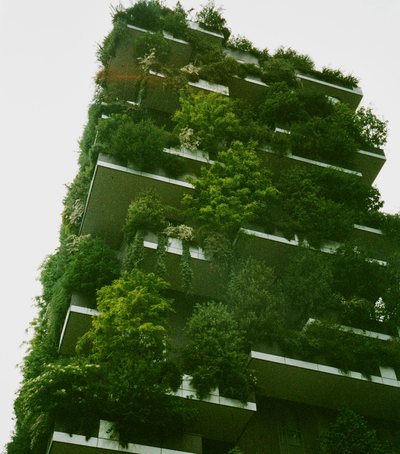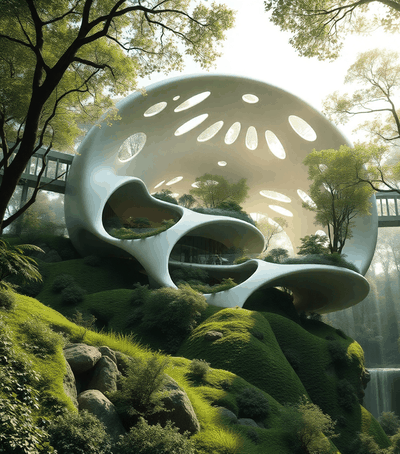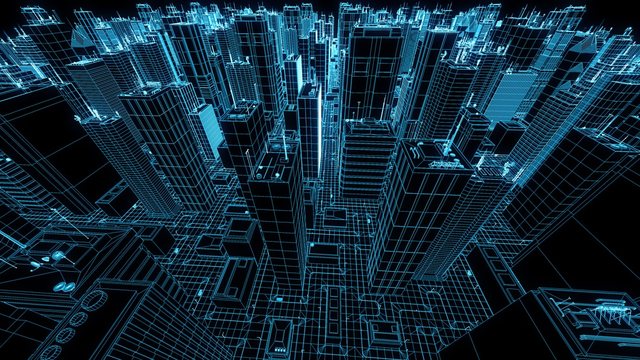
A new era is opening in architecture, where technology and nature coexist in the same form. Thanks to the use of algorithms and intelligent software, architecture is moving away from the traditional box of rigid form and is turning towards fluid, organic and dynamic structures.
This new approach, known as parametricism, sees space as something that can change and adapt, not as something static. Every detail, from lighting to ventilation to the organization of walls, can be designed through digital computation, based on the way people live, walk, and interact with the environment.
The result is buildings that seem to have grown naturally, with soft and moving forms, where aesthetics are no longer the goal, but a consequence of function. These spaces are not just to be seen, but to be experienced, they respond to light, climate and human needs.
Through modern materials, smart building technology, and artificial intelligence, the architecture of the future is becoming more than just a structure. It is a living, breathing, and adapting organism.
In this regard, form is no longer a limitation, but a language of creative freedom. Architecture does not just build walls, but creates experiences, a world where technology becomes an ally of nature and where beauty is born from the collaboration between man and algorithm.