When emptiness becomes presence
In Western architecture, space is often seen as something to be filled – with shapes, furniture, colors, details. But in Japanese philosophy, emptiness is not a lack, it is the very essence of harmony. It represents the breathing of space, the silence between words, the light that penetrates between walls. This aesthetic, known as Ma (?), is not about what we see, but about what we feel in the in-betweenness of things – about space that connects, not divides.
Ma – the art of mediation
The concept of Ma is one of the pillars of Japanese culture. It signifies emptiness filled with presence – space that allows for visual, emotional and spiritual breathing. In a traditional Japanese room (washitsu), the space between objects is not accidental, but a deliberate balance. Each element is carefully placed to create flow and calm. Nothing is superfluous; everything exists to make room for something else.
Light, shadow and harmony
Japanese architecture treats light as a material in its own right. Rather than dominating the space, light glides gently over the surface, building emotion through shadow and its variations. As Jun'ichir? Tanizaki describes in his classic essay In Praise of Shadow, beauty lies not in brilliance but in the fading light, in the penumbra that hides more than it reveals. In this way, light and emptiness co-create a poetic balance – a sense of peace that cannot be measured, only experienced.
Architecture that meditates
Masters of modern architecture such as Tadao Ando have translated these principles into contemporary language. In his works, cold concrete coexists with the emptiness of light and silence. The bare walls, unadorned corridors, and the interplay of shadows create a sense of minimalist spirituality. For Ando, ??emptiness is not emptiness, but strength – a space where one can hear oneself.
Silence as an aesthetic luxury
In a world overloaded with noise, color, and information, the art of emptiness is an act of quiet rebellion. It teaches us to value silence, rarity, and rest. Seeing an empty space not as poverty, but as opportunity – that is the beauty of Japanese philosophy. Architecture of this kind does not impose; it invites. It does not satiate the eye, but soothes the mind.
The beauty that arises from absence
Ultimately, the art of emptiness is the art of acceptance – of the idea that beauty lies not only in what we build, but also in what we leave untouched. Emptiness becomes the breathing of space, light becomes speech, and silence becomes music. This is an aesthetic that seeks not to impress, but to soothe the soul – a poetry built with air, light, and stillness.
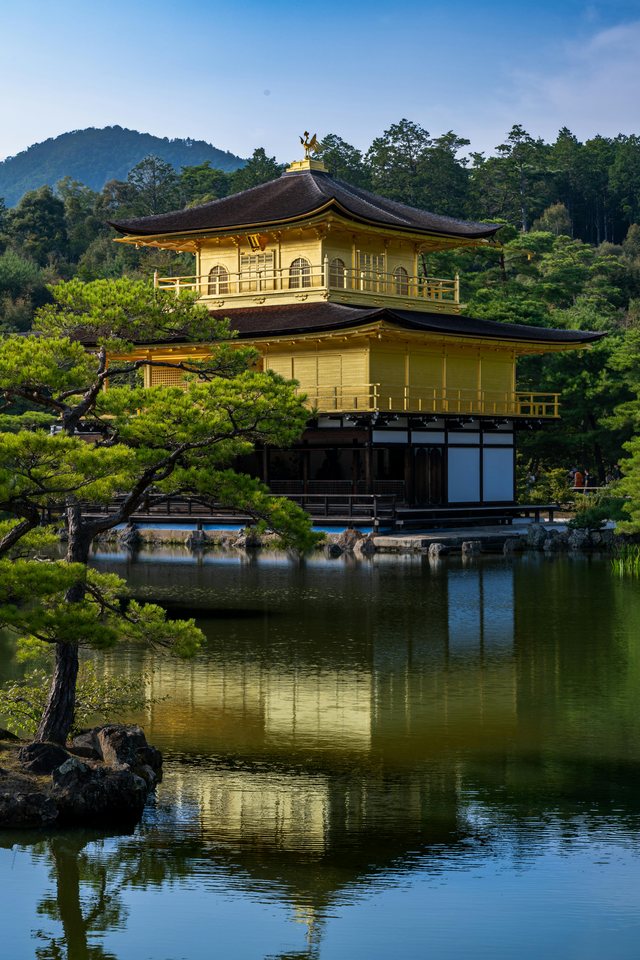
Photo by Tobias: https://www.pexels.com/photo/golden-pavilion-at-kinkaku-ji-in-kyoto-japan-34190539/