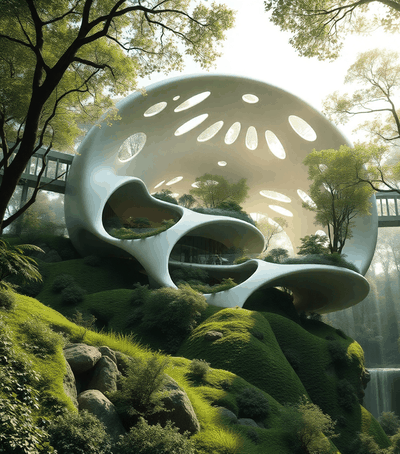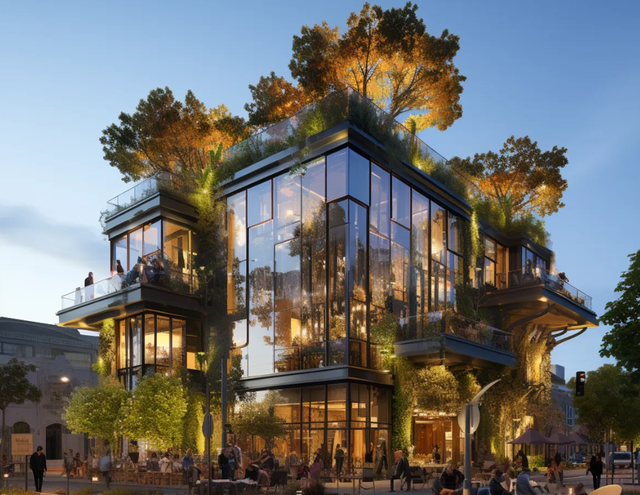
In a world where urbanization is growing at a dizzying pace, people feel increasingly disconnected from nature. To restore balance to our lives, biophilic architecture is gaining ground as an approach that brings greenery, natural light, and organic elements into urban spaces. This concept is not just aesthetics, but a way to improve the physical, mental, and social well-being of city dwellers.
From vertical forests to breathtaking facades
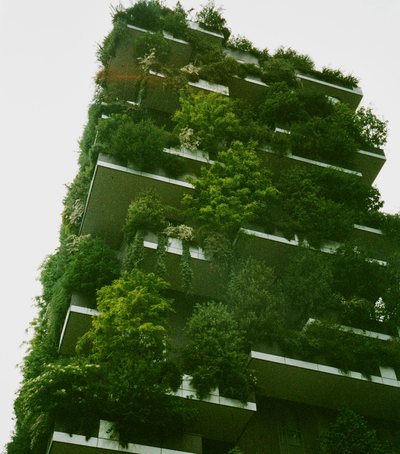
One of the most visible examples of biophilic architecture is vertical forests, tall buildings covered with vegetation that not only produce oxygen, but also reduce noise and atmospheric pollution. Green facades and tree-lined balconies are becoming a new urban trend, where each floor becomes a “piece of park” in the sky. These structures are more than just decoration: they function as small ecosystems that contribute to cooling the air and reducing temperatures in cities.
Hotels and public spaces that imitate nature
The hotel and hospitality industry is increasingly embracing this philosophy. From hotel lobbies that bring in waterfalls to rooms that combine wood, stone, and greenery, everything aims to create a sense of harmony with the environment. Similarly, public spaces — shopping malls, libraries, and airports — are being transformed into oases where greenery and natural light become part of citizens’ daily lives.
Effects on health and productivity
Studies show that constant contact with natural elements reduces stress, improves sleep, and increases creativity. In biophilic offices, employees show more energy and focus, while guests in hotels feel more relaxed and connected to the environment they are staying in. Thus, architecture is not just a physical building, but a powerful instrument for increasing the quality of life.
The city of the future: a symbiosis with nature
Biophilic architecture is more than a trend of the moment; it is a philosophy that is redesigning the very concept of the modern city. In the future, buildings will no longer be barriers that separate us from nature, but bridges that bring us closer to it. Cities can become living organisms where people and ecosystems live in harmony, reminding us that true development does not come from moving away from nature, but from living together with it.